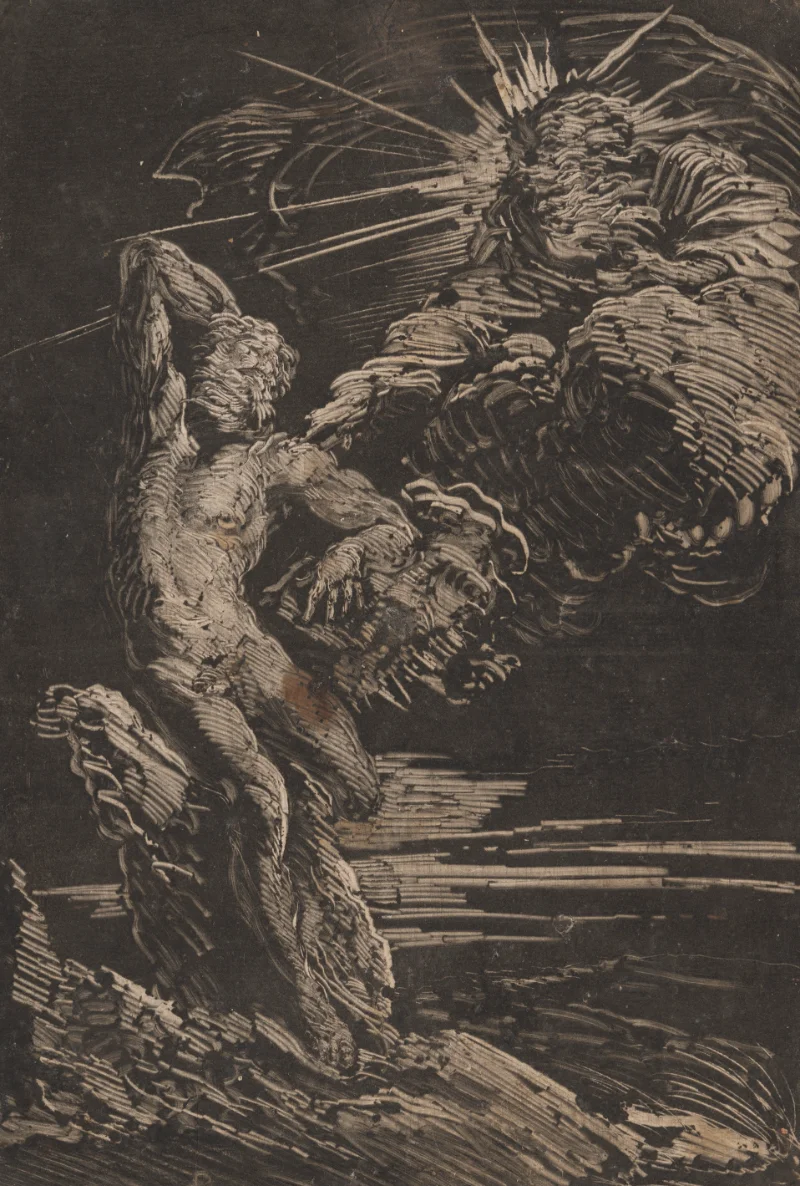

Freud’s Case Against “Bad Blood”
Ken Gemes
In this lecture, Ken Gemes examines Sigmund Freud's complex relationship with degeneration theory, the widely popular nineteenth-century framework that cast social and psychological deviance as signs of biological decline. Gemes argues that Freud ultimately rejected this Manichean worldview by universalizing the very traits degeneration theorists condemned. From the early trauma model and the seduction theory to the Oedipal complex and castration anxiety, Freud reframed perversion, neurosis, and homosexuality as features of ordinary human development rather than marks of hereditary corruption. The lecture traces Freud's intellectual biography from his work with Charcot and hysteria through his structural model of the mind, his controversial claims about women's moral development, and his late writings on anti-Semitism and religion. Gemes also explores Freud's essay on the uncanny and Julia Kristeva's related theory of hostility toward foreigners, drawing connections to Nietzsche's vision of health as a dynamic balance rather than the absence of illness.